
In the mining industry, dependable wireless connectivity is vital for both efficiency and worker safety. However, this sector presents distinctive issues like radio shadows, interference, and crowded network environments, which traditional solutions like Wi-Fi and LTE struggle to handle.
But what if these obstacles could be overcome? Join us as we introduce Meshmerize, a mesh network software solution that revolutionizes connectivity in mining, turning what was once a problem into a gateway to new opportunities.
Understanding the Connectivity Challenges in Mining
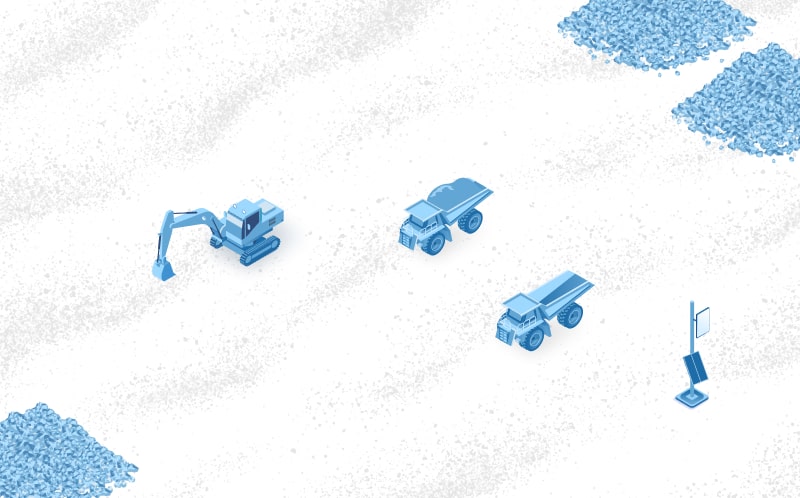
The mining industry, with its dynamic and harsh environments, presents unique challenges for establishing stable and reliable connectivity. While we will focus on two of the most prevalent issues, remember that the list does not end there.
The Challenge of Radio Shadows and Environmental Changes
One of the most significant challenges in mining connectivity is the presence of radio shadows, dead zones, or blind spots. These are areas where signal disruption occurs, leading to loss of connectivity.
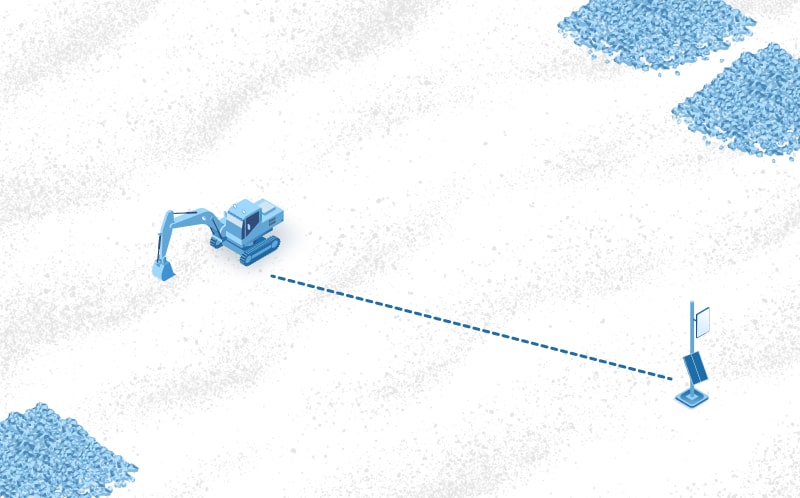
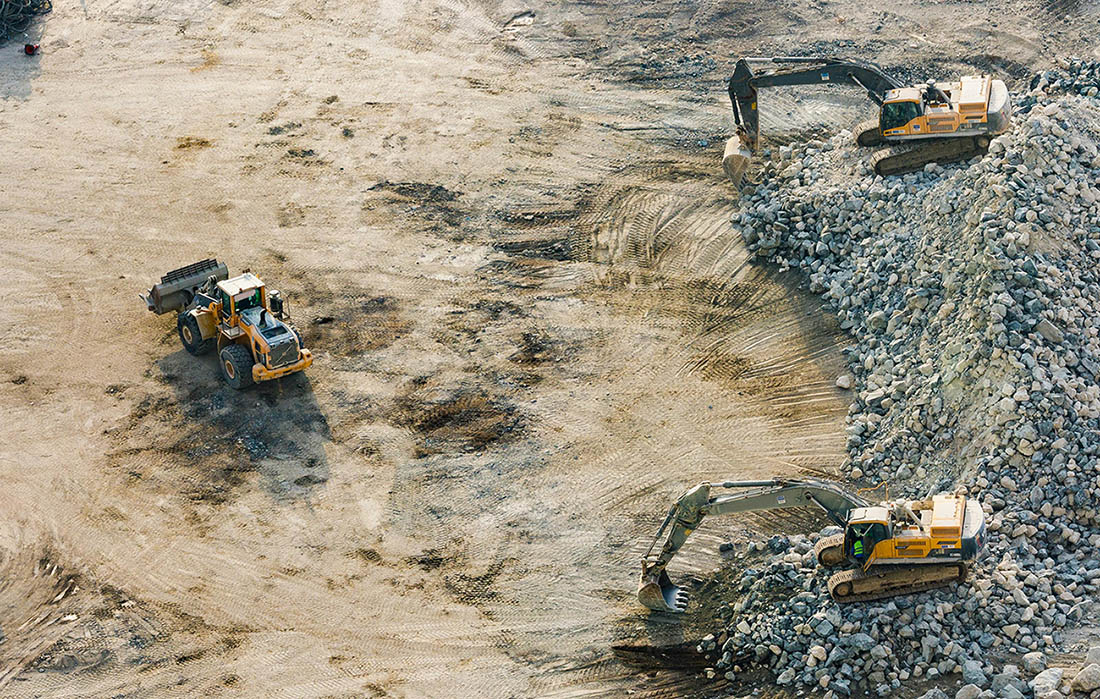
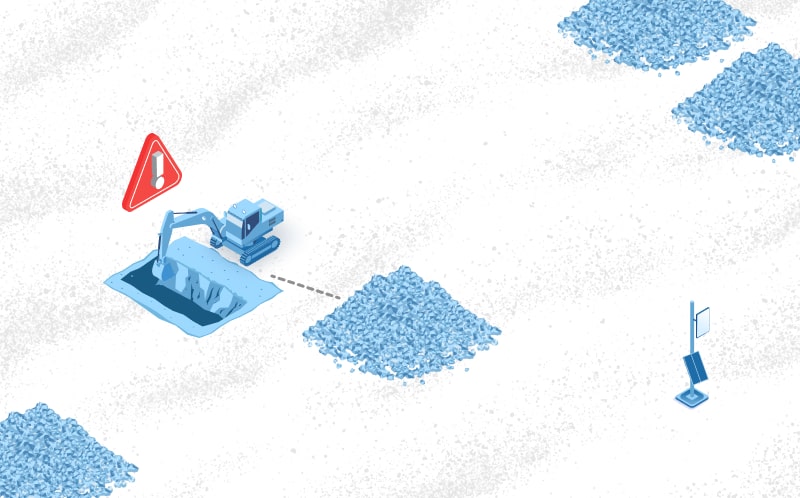
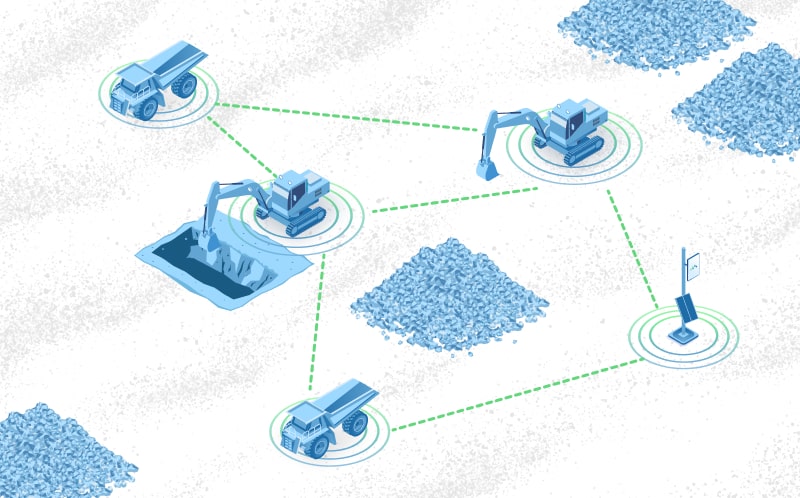
A typical example is an excavator working in a pit. As it digs deeper, it not only moves further below the surface but also creates a pile of debris. This pile is an effective barrier between the machine and the other access point, static or mobile, such as another vehicle. This situation results in a hill-like obstruction, causing the machine to lose signal as it goes deeper and the pile grows.
Remote Locations and Infrastructure Challenges
Mining sites are frequently located in remote areas where cellular connectivity is either weak or nonexistent. Establishing a robust network infrastructure in such locations is costly and fails to fully resolve connectivity issues, especially taking the dynamic and evolving landscape of a mining site into consideration.
Traditional Networks: Not Quite Striking Gold in Mining
Traditional solutions like Wi-Fi, LTE, and even emerging 5G often fall short of addressing the specific needs of mining operations.
- LTE and the struggles with rapid changes
LTE networks, while providing broader coverage than Wi-Fi, struggle to adapt to the rapidly changing environments of mining sites. They are not equipped to handle the frequent creation of new blind spots or to maintain consistent coverage in extensive, evolving pits.
- Wi-Fi reliability issues
Wi-Fi networks, although widely used, are not the reliable connectivity choice vital for critical operations in mining. The limited range and susceptibility to interference make Wi-Fi inadequate for expansive and obstacle-rich mining sites.
- 5G heavy investments
While 5G promises faster speeds and lower latency, the costs associated with deploying 5G infrastructure, especially in remote mining locations, are prohibitively high. Furthermore, 5G still faces challenges in penetrating underground areas and coping with blind spots.
Digging Deeper with Meshmerize
Meshmerize stands as a next-generation solution in mining connectivity, thanks to its dynamic mesh networking capability. The innovative mesh network software ensures uninterrupted connectivity of moving machines, even in the most challenging terrains. It effectively mitigates radio shadows or blind spots, ensuring that physical obstructions do not disrupt the network. The network flexibility allows for easy extension as mining sites grow, adapting to the ever-changing landscape without extensive infrastructure changes. Learn more about how it works.
Tackling radio shadows with Meshmerize
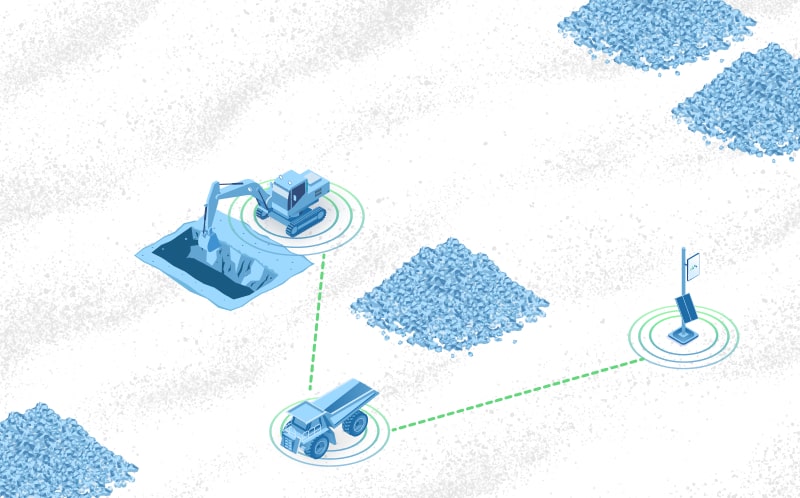
Do you recall the excavator example from earlier? So, as it digs deeper, it inadvertently crafts its own barrier—a rising pile of debris that eventually obstructs the signal between it and the other access point. This scenario, all too common with traditional networks, results in critical signal loss.
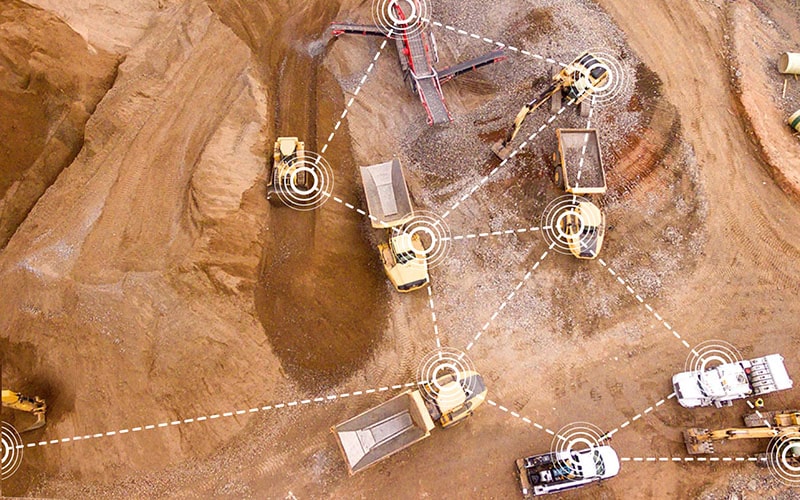
As the pile of debris grows, creating a potential radio shadow, the Meshmerize network anticipates the disruption. It dynamically adapts and reroutes the connectivity through other nodes. For example, those can be nearby vehicles, potentially even leveraging drones as aerial relay points, to maintain an unbroken line of communication. This not only ensures operational continuity but also enhances safety, as crucial data regarding the excavator’s status and the surrounding environment continue to be transmitted in real-time.
The network can adapt to the changes in the terrain and the mobile equipment, making it an invaluable asset in dynamic and often unpredictable mining environments.
Seamless integration into a wide range of hardware
Among other features, Meshmerize stands out for its hardware independence, being able to integrate into a diverse array of commercial off-the-shelf access points. This hardware-agnostic nature means it can be retrofitted into existing infrastructure as well, making it a versatile solution for various mining environments.
Truly wireless network expansion
Deploying Meshmerize is incredibly rapid, enhancing its usability in dynamic mining operations. When vehicles power up, so does Meshmerize, instantly creating a network that moves with the operation.
Expanding the network is as simple as adding new nodes – be they static, mobile in vehicles, or portable nodes carried by workers. The easy expansion significantly reduces setup times and infrastructure investment. For a complete overview and management of the network, explore Hive, our dedicated network management tool.
On-the-Go and Affordable Connectivity
Meshmerize network is not confined to a single location. It is as mobile as the mining operation itself. Wherever the vehicles or workers go, the network follows, ensuring continuous and reliable connectivity. This on-the-go feature makes Meshmerize not only versatile but also cost-effective, as it reduces the need for extensive infrastructure investments usually related to traditional networks.
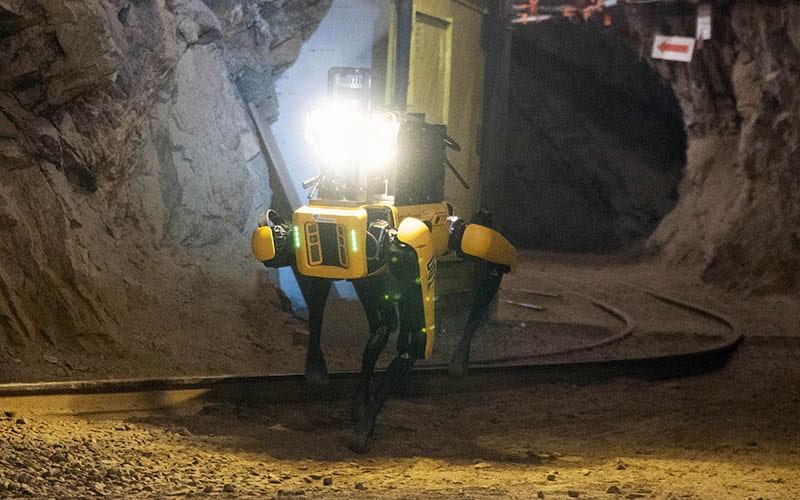
Meshmerize in Action: the DARPA Underground Challenge
In the challenging environment of the DARPA Subterranean Challenge in 2021, Meshmerize proved its mettle. Team MARBLE, consisting of leading researchers from the University of Colorado Boulder and the University of California Santa Cruz, deployed Meshmerize in a demanding underground communication test. The competition required robots to perform search and rescue operations in an underground mine.
Meshmerize’s dynamic mesh network was seamlessly integrated into Team MARBLE’s four robots. The end results were quick reconnection times crucial for transmitting vital data. This was pivotal in navigating the harsh underground environment, where traditional radio signals struggle. The success of Meshmerize in this context, where it maintained constant communication underground, underscores its potential as a robust solution for mining connectivity challenges.
Meshmerize network versatility across industries
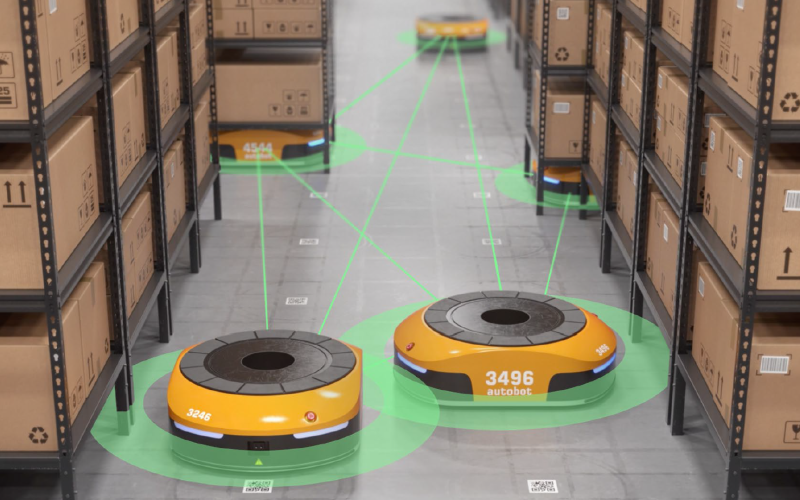
Meshmerize capabilities are not limited to mining. They extend across a wide range of other industries as well. The exceptional flexibility and adaptability have been proven in a variety of industrial verticals. This way, it was verified as an invaluable asset in numerous dynamic environments. These include AGVs, UAVs, agriculture, construction, public safety, and others. Each of these applications shares a common thread: the need for robust, flexible, and highly reliable connectivity solutions.
The Expansive Potential: Redefining Mining Connectivity
In our exploration of Meshmerize within the demanding arena of mining connectivity, its role in overcoming challenges such as radio shadows and enhancing network efficiency is unmistakable. From the rigors of the DARPA Challenge to diverse industrial applications, Meshmerize has proven its worth as a critical tool for operational success and safety.
If you’re intrigued by the potential of Meshmerize to revolutionize connectivity in your operations, we encourage you to dig deeper – and take us with you! Reach out for more insights or to explore how Meshmerize can be integrated into your work environment.
Meshmerize is a startup based in Dresden, Germany that provides the ultimate mesh network software to an array of industries. The full potential of Meshmerize is yet to be seen. We would like to hear your thoughts – let us know what you think at hello@meshmerize.net