
Industrial Mesh Network Management System Can Be Tough, But It Doesn’t Have to Be
At Meshmerize, we’re all about bringing the power of mesh networks to a wide range of industrial applications. We offer a range of hardware platforms, from affordable access points to high-end industrial robots, all of which can be part of the same mesh network. With Meshmerize, routing decisions are made in a distributed fashion by the individual nodes, which makes for a highly reliable and scalable network. But let’s face it, mesh network management system can be a pain. You’ve got to visualize the nodes, update firmware, analyze traffic, and add or remove nodes as needed. It’s a lot of work, and it can be tough to keep track of everything. That’s where Hive comes in.
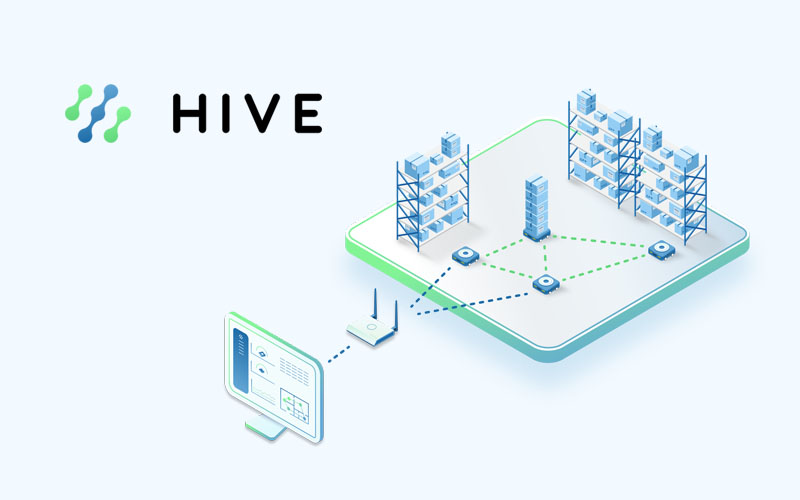
We built Hive to make mesh network management a breeze. It’s a web-based tool that takes care of all the boring stuff, so you can focus on the important stuff. Visualizing nodes, updating firmware, analyzing traffic – it’s all a piece of cake with Hive.
Hive: The Swiss Army Knife Mesh Network Management System
Hive is a comprehensive web-based tool for managing and optimizing Meshmerize networks. By default, it is cloud-deployed and managed by Meshmerize, but enterprise customers with large deployments have the option to run it locally on site through dedicated hardware.
Visualization: See Your Mesh Network Like Never Before
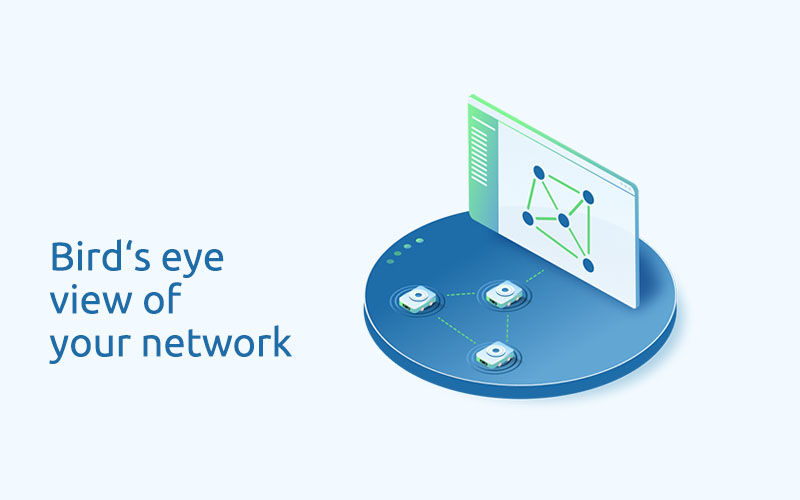
One of the key features of Hive is its visualization capabilities. Nodes in the mesh network can be visualized on a floor plan or map, and their positions can be set manually or fed into Hive through its API. This includes both static nodes and dynamic nodes like robots and vehicles. In a Meshmerize mesh network, every node is the same – there are no access points and clients.
Network Management System Batch Configuration: Mesh network management in Bulk
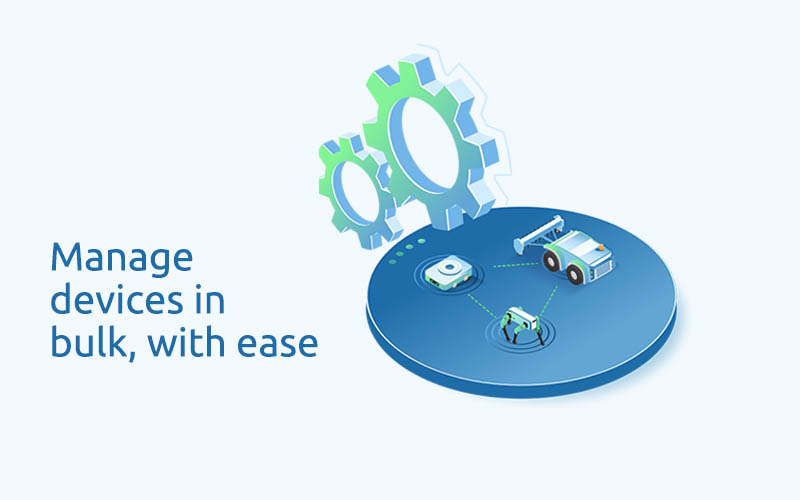
Managing decentralized, distributed devices can be a challenge, but Hive makes it easy to manage them in bulk. This includes firmware updates with automatic roll-back mechanisms, wifi security credential changes, and even simple configuration changes.
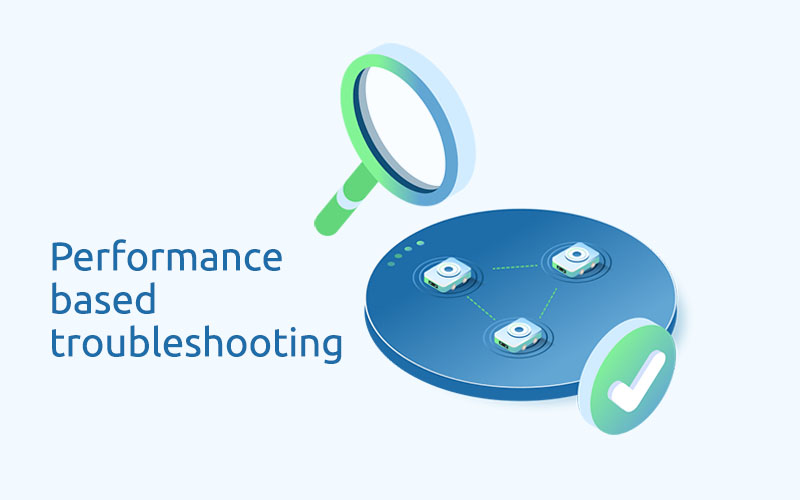
Troubleshooting: Proactive Problem-Solving
Hive helps you keep your mesh network running smoothly by proactively identifying and troubleshooting problems. This includes identifying misconfigured robots and rogue wifi hotspots, as well as locating unidentified or unauthorized networks.
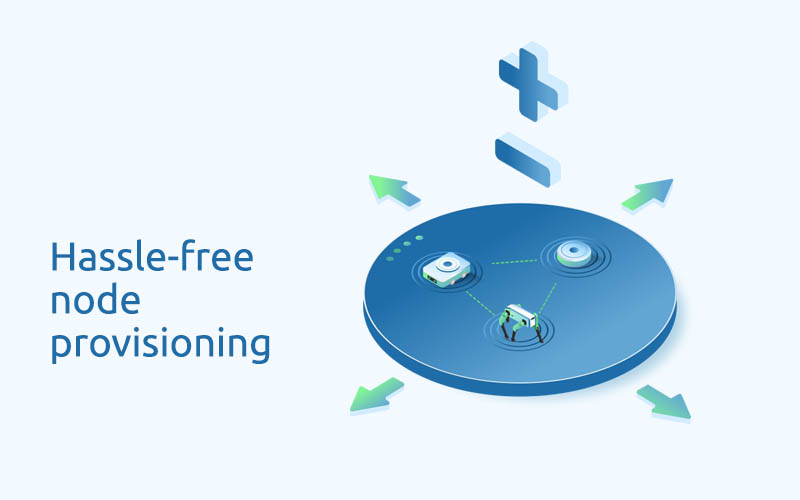
Network Management System Provisioning: Add and Remove Nodes with Ease
Hive makes it easy to add or remove nodes from your mesh network, or even move them from one deployment to another. And if you need secure remote access to your nodes, Hive’s got you covered with its wireguard-based VPN.
Under the hood
Hive is a web-based tool that is built on the Django framework, making it easy to use and navigate. Each mesh node in the network connects to Hive through the MQTT protocol, ensuring a secure and efficient communication between the nodes and the management tool. All communication between nodes and Hive are encrypted and secured.
One of the key features of Hive is its isolation and sandboxing capabilities. Each Hive deployment is completely separate from one another, with no interactions between different deployments. This includes separate databases and other components, ensuring that any issues or problems with one deployment do not affect the others.
By default, Hive is deployed and managed by Meshmerize in the cloud, but enterprise customers with large deployments have the option to run it locally on site through dedicated hardware. This allows for even more flexibility and control over the management of your mesh network.
Get on the Hive Train: Sign Up for a Free Trial Today
Hive is relatively new and rapidly evolving, but it’s already been deployed in a handful of production environments where it’s proven to be a valuable tool for managing Meshmerize mesh networks. It has many critically useful features, and we have even more planned for the future.
If you’re interested in trying out Hive for yourself, we encourage you to reach out to us at hello@meshmerize.net to request a free trial. You’ll be able to see firsthand how Hive can transform the way you manage your mesh network, and you’ll be able to give us valuable feedback on how we can improve the tool.
Don’t miss out on this opportunity to get in on the ground floor of the Hive revolution. Sign up for a free trial today and see the difference it can make for your Meshmerize mesh network.
Meshmerize is a startup based in Dresden, Germany that provides the ultimate mesh network software to an array of industries. The full potential of Meshmerize is yet to be seen. We would like to hear your thoughts – let us know what you think at hello@meshmerize.net