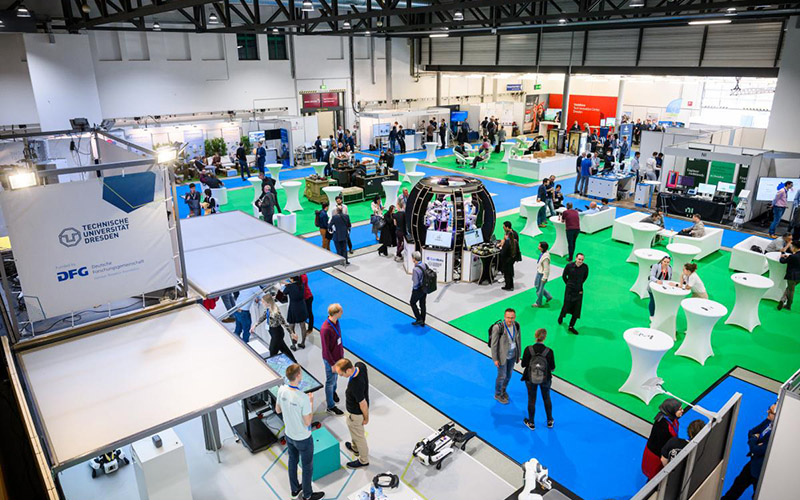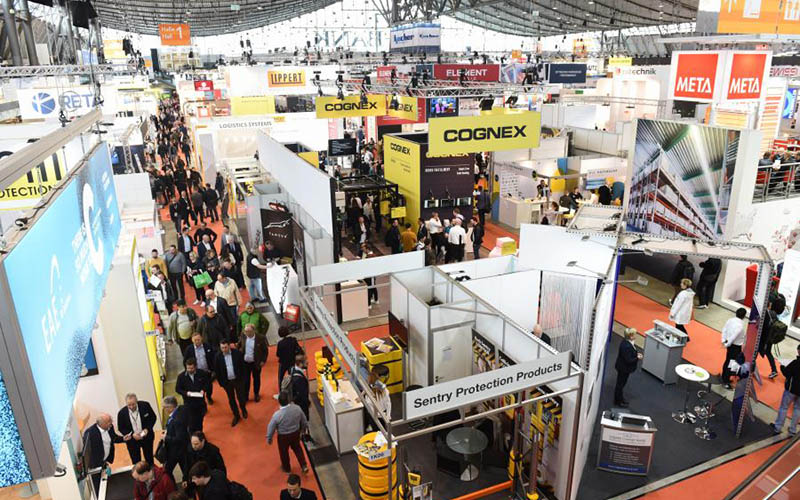


In the heart of Hanover, from 12 to 18 November, Agritechnica 2023 showcased the latest innovations in agricultural technology.
As enthusiasts of smart agriculture, we immersed ourselves in this global event, seizing opportunities to discuss the latest trends and challenges in agricultural connectivity with industry experts.
Current State of Connectivity in Agriculture
Agriculture today stands on the brink of a connectivity revolution. However, the journey is not without its challenges. Traditional connectivity methods, primarily designed for urban and well-connected regions, falter in vast and often remote expanses of agricultural fields.
Cellular connectivity, while extensive, suffers from spotty coverage in rural areas. The promise of 5G, with its reliability, comes at a steep cost and still is not ideal for the diverse needs of agriculture. Wi-Fi, often seen as a standard solution, struggles with stability, especially over large areas. This mismatch between existing technologies and the demands of agriculture uncovers a critical need for innovative solutions.
Agritechnica 2023: A Hub of Innovation and Collaboration
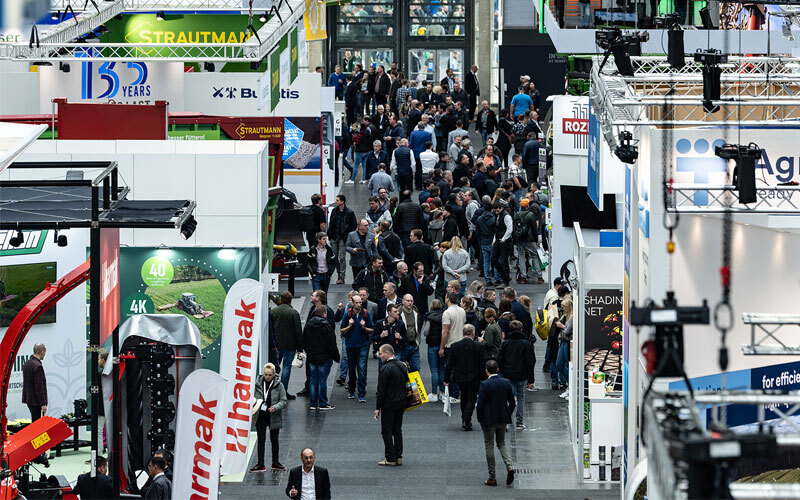
Our experience at Agritechnica was nothing short of enlightening. Engaging with some agricultural equipment vendors, we observed a common thread – most had some form of connectivity solution, yet the quest for more robust and efficient systems remains. Notably, despite offering value-adding software features, some lacked comprehensive Machine-to-Machine connectivity (M2M) capabilities, presenting a ripe opportunity for advancements.
We encountered a range of solutions from system and component vendors, each showcasing their latest technologies. Despite the variety, one common thread was clear: a strong desire for better connectivity solutions in the agricultural sector. This need was particularly evident when it comes to autonomous systems. The connectivity solutions observed at the event highlighted a clear and widespread interest in more dependable and efficient Machine-to-Machine (M2M) communication options.
Addressing Agricultural Connectivity Challenges
In our journey through Agritechnica, we learned about the shortcomings of the existing systems, signaling a collective readiness to embrace more sophisticated technologies. This sentiment echoed a broader industry trend: the search for connectivity solutions that are not only reliable and flexible but also cost-effective, capable of thriving in unique agricultural landscapes.
Traditional solutions like Wi-Fi and 5G lay the groundwork but fall short of fully catering to the dynamic needs of modern agriculture. The future lies in the development and deployment of technologies adept at overcoming the complexities of agricultural settings. These solutions must handle issues such as radio shadow areas, connection establishing times, and the limitations imposed by sparse network infrastructure in remote farming locations.
Innovating Agricultural Connectivity with Meshmerize
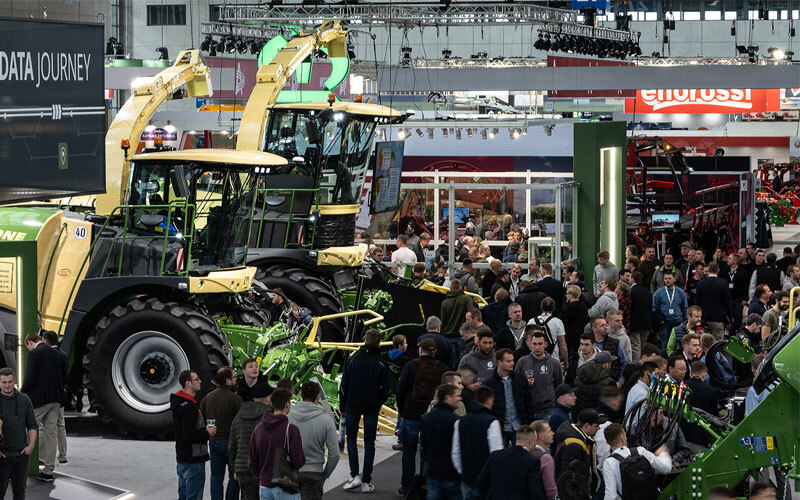
Meshmerize stands at the forefront of addressing agricultural connectivity challenges, offering a practical and effective solution. Our technology has been tested in the field, demonstrating its ability to significantly reduce the time required to establish network connections. One of the standout features of Meshmerize is its adeptness in elegantly and efficiently navigating the blind spots commonly encountered by agricultural machinery. This capability ensures that every device and machine remains reliably connected, even in areas traditionally plagued by weak or non-existent cellular coverage.
Meshmerize’s role in transforming connectivity extends across various key use cases, each demonstrating unique benefits:
- Optimizing M2M communication, ensuring faster re-connection times and lower latencies.
- Offering a cost-effective alternative for remote operations, reducing dependence on expensive satellite links and enhancing control.
- For off-road autonomous vehicles, Meshmerize provides continuous, reliable system access, maintaining safety and regulatory compliance in non-public spaces.
- Enabling robust and scalable swarm connectivity, allowing multiple units to operate independently yet cohesively without relying on operator network connections.
Furthermore, Meshmerize excels in network scalability. The system allows for effortless network expansion through simple positioning of additional nodes/machinery. This feature is particularly beneficial in the dynamic environment of agriculture, where the landscape and operational needs can change rapidly.

Reflecting on Agritechnica and Looking Ahead
Agritechnica 2023 has been an insightful experience, providing valuable information about the digital shift in agriculture and the growing role of reliable connectivity. Various challenges and opportunities within the sector were brought to light, offering a glimpse into the future of farming.
At Meshmerize, our experience at the fair has sharpened our understanding of connectivity needs in agriculture. We are already making strides in the agricultural connectivity market by demonstrating the practical benefits of our technology. Our goal is to improve how agri machinery and devices connect, focusing on increasing their efficiency and reliability in the field.
Meshmerize is a startup based in Dresden, Germany that provides the ultimate mesh network software to an array of industries. The full potential of Meshmerize is yet to be seen. We would like to hear your thoughts – let us know what you think at hello@meshmerize.net