
The list of mesh network use cases in various industries has been growing in recent years. Mesh networks offer multiple pathways for data to travel from one point to another. The resulting network is more resilient and self-healing, making it less prone to failures and outages. What makes Industrial mesh WiFi system extra special is that they are incredibly flexible and are utilized in industrial and nonindustrial environments alike. There are many use cases where mesh networks have proven their worth and became a significant part of operations.
Industrial mesh WIFi system across industries
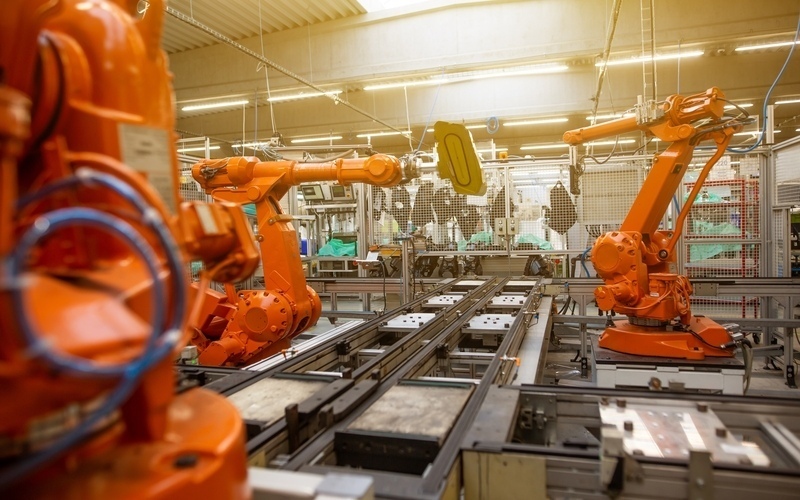
1. Manufacturing
In times where automated manufacturing has become standard, highest optimization and lowest latency are key drivers for efficient production. A disruption in the network or a break in the connection can cause the whole production line to come to a halt.
An industrial mesh WiFi system weaves an interconnecting web between all machines, ensuring network stability and robustness. Mesh networks enable hundreds of machines to connect seamlessly, while being mobile and wireless. In a shop-floor with both people and machines running around, it is a huge boost for the machines when they are provided with better networks since they rely on it for safety and productivity.
More automation in a factory, increasing the number of robots, already existing infrastructure – all of these strengthen a mesh network. Pretty cool, right?
2. Benefits of an industrial mesh WiFi system in intralogistics
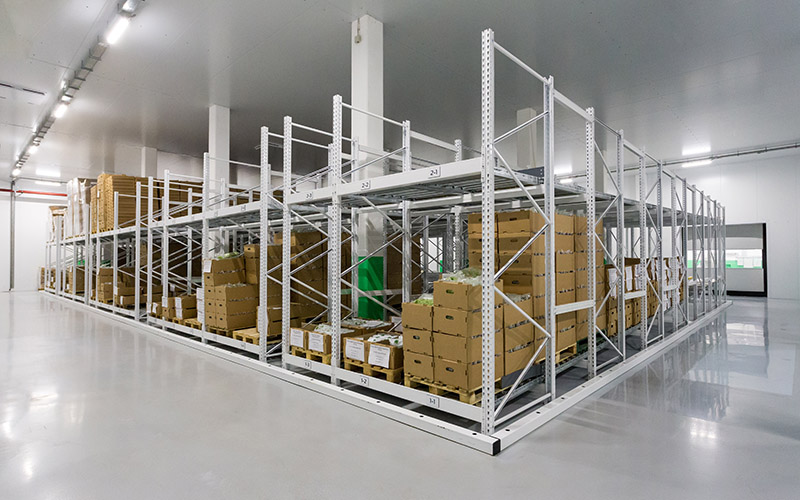
Wireless network systems are becoming crucial for any facility in the logistics department, including warehousing. The necessity for machine-to-machine communication (M2M) that comes together with the automation process has brought the need for a stable and reliable network solution. However, warehouses are notoriously difficult spaces for wireless networks, because they typically have a lot of metallic structures, moving boxes and maybe even liquids. All of these make it challenging to make signal measurements and design a network that caters to every nook and cranny of the warehouse, especially considering the dynamic nature of the environment.
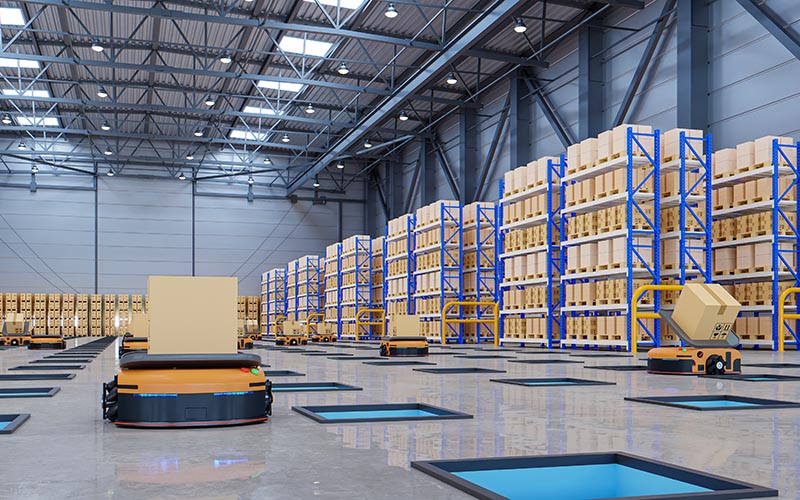
An industrial mesh WiFi system allows smooth operation for AGVs and AMRs even in this challenging environment, by enabling co-operation between the machines. This helps in reducing risk of package loss or disconnections.
Mesh networks allow uninterrupted connectivity, overcoming the impact from the environment, such as metal objects, walls or liquids. Network scalability allows the spread of the operational range across hundreds of meters and hundreds of robots.
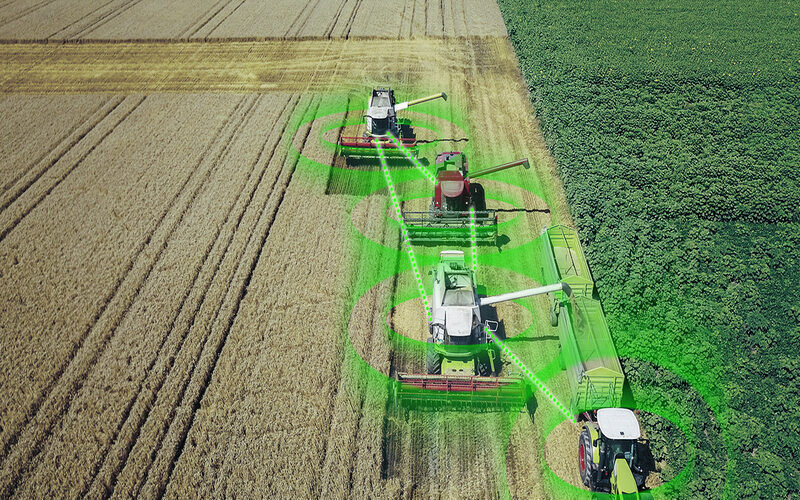
3. Benefits of an industrial mesh WiFi system in agriculture
What makes the process of automation in agriculture harder than in many other industries is the usual lack of cellular infrastructure and the size of machinery itself. How so?
Agricultural fields are usually very wide and are situated in remote locations, making network reliability especially hard. What mesh networks can do here is to enable a robust and radio-shadow resistant network, able to cover kilometers of land without any additional access points. When we say additional, it refers to the fact that each machine is a data receiver and router.
Having a industrial mesh WiFi system to help tedious agricultural work with strict deadlines, such as sowing and harvest, makes the process faster, safer, and in the end, more profitable. Reliable connectivity can enable autonomous farming 24/7, with no human interventions. Farmers can even track the progress on a tablet, while doing other work or simply relaxing.
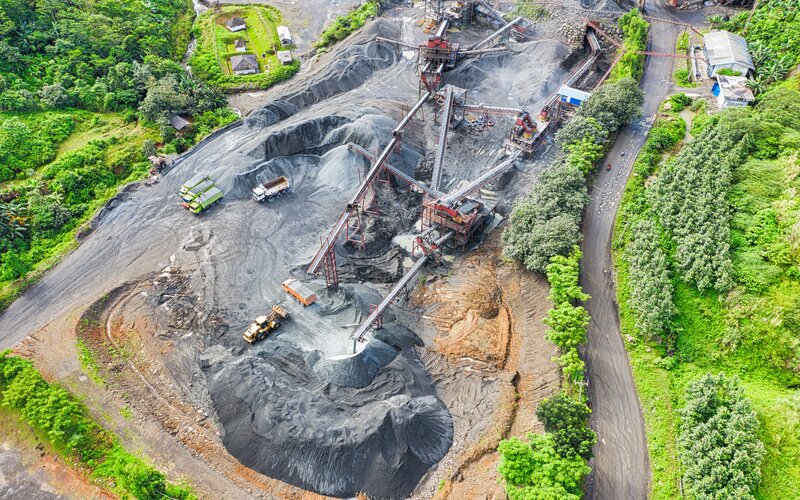
4. Construction and mining industrial mesh WiFi system use case
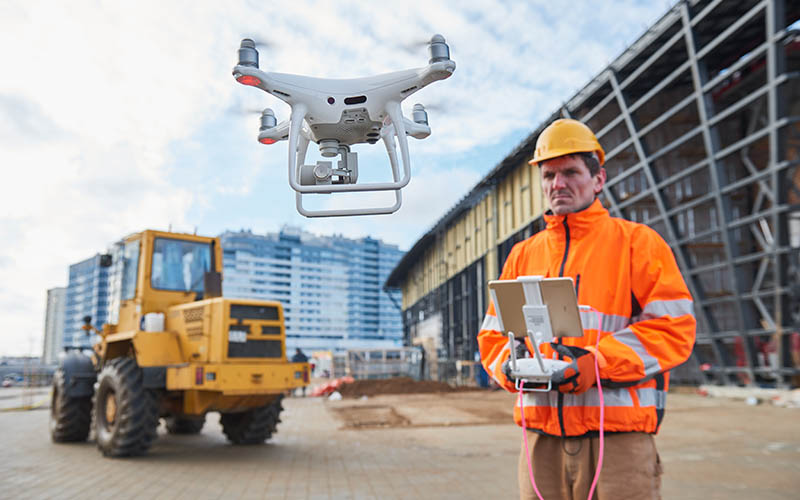
Construction and mining industries are very ambitious – more and more construction is being done every day worldwide and mines are getting deeper and deeper every hour. Automation has presented itself as an opportunity to help those efforts and make construction and mining work more efficient and safe.
What mesh networks do to help here is to provide a robust and multi-path connectivity so the machines can achieve their full potential. For instance, tunnel digging, underground mines and remote construction sites make for really bad conditions for traditional networks. Mesh enables stable connection even underground, right behind another machine or pile of construction material – you name an obstacle.

5. Automotive industry
Staying ahead of the game has always been one of the leading thoughts in the automotive industry. Smarter and more efficient driving has become a driving force for most car manufacturers.
Introducing wireless mesh networking in cars enables real-time monitoring and control, as well as it elevates the term “self-driving car” to a point where the car can process and respond to a multitude of factors to enhance the overall driving experience. Interconnecting cars in a mesh network would significantly enhance traffic safety in any crowded city and beyond.
… And, of course, the nonindustrial mesh network use cases
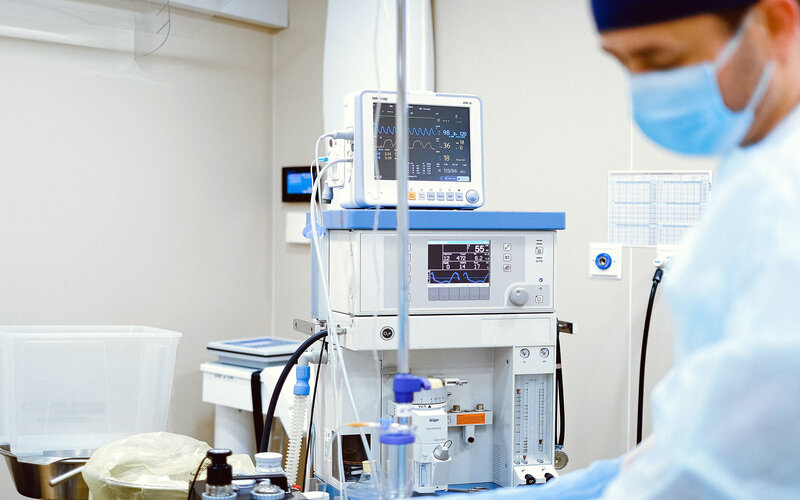
6. Medicine
The implementation of mesh networks can contribute to more efficiency and reliability in medical monitoring. These networks allow for better patient surveillance and can increase hospital capacities. A medical monitor – a mesh node in the network, helps the attending physician pay close attention to the hospital’s wards. Patient’s health status is that way always being watched over.

7. Internet of Things (IoT)
Mesh networks are ideal for IoT applications where numerous devices need to communicate with each other. They allow devices to connect with each other without the need for a central hub, enabling scalable and cost-effective IoT solutions.
8. Public security
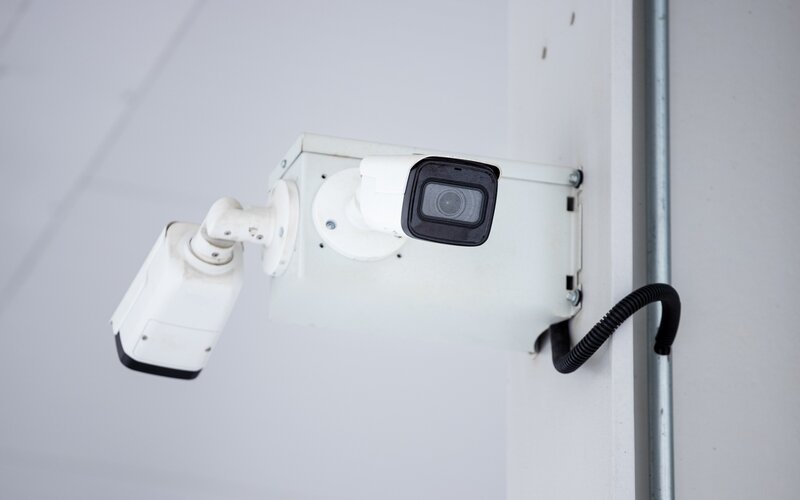
Mesh networks are enabling cost-effective monitoring of various points of entry and strategies for public institutions. This includes network surveillance cameras, emergency response systems, video management software, and license plate recognition systems, among others. Household security systems can also apply the security aspect of mesh networks.

9. Disaster recovery mesh network use case
It’s not just factories and high-tech companies that mesh networks are useful – they can also save lives. In natural disaster scenarios, it’s one of the two: either there was no network infrastructure to begin with, like in the middle of a dense forest, or the infrastructure got torn apart by a flood, hurricane or a tornado.
Here is where mesh networks come in very handy. Emergency responders can quickly deploy them, they cover long ranges, and they can assist both citizens and rescue personnel. Additional technology, such as UAVs, make monitoring affected areas and having an overview of the situation in the front lines almost effortless.

10. Community network mesh network use
There are numerous examples of mesh network use in underserved communities around the globe. So, how does it work?
Economically challenged communities, for example, in many cases do not have the necessary infrastructure installed to have Internet access. Installing cables through a whole neighborhood can be costly and may not fit the profit equation. All traditional infrastructure that is needed for a mesh network is one cable going into the neighborhood. Mesh network last mile delivery does the rest, providing a dependable and flexible solution for the final stretch of the journey.
Mesh networks are making their way into every aspect of our lives, from work to the private sphere. As technology advances, the potential uses for mesh networks are becoming increasingly diverse and widespread. Whether you’re looking to increase efficiency, enhance communication, or improve security, mesh networks are becoming a go-to solution for many industries and individuals alike.
With their ability to provide reliable, decentralized connectivity, mesh networks are poised to play an increasingly important role in our connected world. As we move into the future, it’s exciting to consider all the new and innovative ways mesh networks will be put to use.
Meshmerize is a startup based in Dresden, Germany that provides the ultimate mesh network software to an array of industries. The full potential of Meshmerize is yet to be seen. We would like to hear your thoughts – let us know what you think at hello@meshmerize.net